Nikon and Sony are solving the Deepfake Problem Using Digital Signatures

Description

In December last year, Vladimir Putin, the current president of Russia spoke at the Annual Press Conference in Moscow. Towards the end of the event, he took questions via video calls from people nationwide.

As he finished answering one of the questions and moved on to the next question, he was greeted by someone special.

Himself.

Sitting in a chair across from Vladimir Putin was Vladimir Putin.
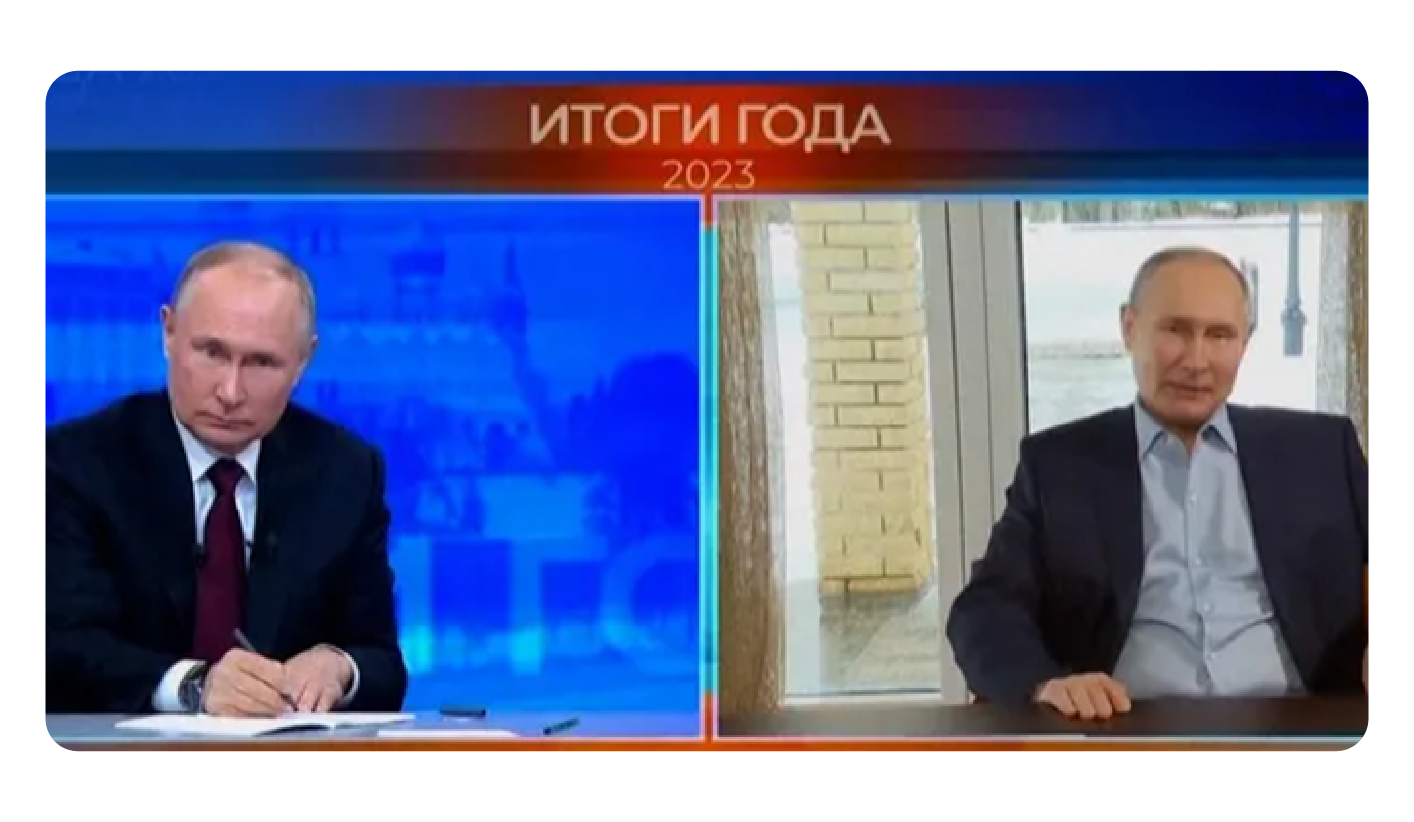
example of vladimir putin deepfake in moscow annual conference december 2023 russia[Left: real, right: AI-double]

The AI-double then proceeded to ask his question, “Hello, my name is Vladimir Vladimirovich. I am a student at St. Petersburg State University. I want to ask, is it true you have a lot of doubles?”

Almost a year ago, Joe Rogan, one of the most popular podcasters in the world, was seen selling a men’s health supplement on TikTok. He and Dr. Andrew Huberman were seen promoting this random supplement together.

It turns out the video was mostly original, but Joe’s voice was analyzed, deepfaked, and superimposed on the original video to make it look like he was promoting the supplement.

These were just some of the mild examples of deepfakes on the internet. The rabbit hole goes deeper. From fake war announcements to artificial hate speech to explicit content—deepfakes are a much bigger problem.

Let’s dive deeper.

What is a deepfake?

A deepfake is a sophisticated form of artificial intelligence-driven manipulation, specifically involving creating or altering audio-visual content to present a fabricated or manipulated reality.

This technique employs deep learning algorithms, often utilizing neural networks, to seamlessly blend or replace elements within existing media, such as swapping faces in videos or altering voices with unnerving accuracy.

While initially developed for entertainment purposes, deepfakes have raised significant concerns due to their potential for misuse, ranging from spreading misinformation and malicious propaganda to creating convincing forgeries with serious consequences.

How do deepfakes work?

Let us first understand deep learning and neural networks using a simple example.

Alright, imagine you have a super-intelligent robot friend. Now, this friend is learning to recognize different things, like showing the difference between cats and dogs in pictures. Deep learning is like how your friend gets better at this over time.

Now, think of a neural network as your robot friend's brain. It comprises many tiny parts called neurons, just like our brains. Each neuron helps the robot understand a small amount of what it's seeing, like the shape of an ear or the color of fur on an animal.

Deep learning is like teaching your robot friend by showing it many, many pictures of cats and dogs. Each time it makes a mistake, it learns a bit more about what makes a cat a cat and a dog a dog. The more pictures it sees, the smarter it becomes at telling them apart.

So, deep learning is like your robot friend learning from lots of examples to become really good at recognizing things, and a neural network is the brain that helps it do this. Just like you learn from seeing and doing things, the robot learns from lots of pictures and keeps getting better at figuring out what's what.

Now, imagine your smart robot friend has become even more advanced and can not only recognize things but also create new things that look incredibly real—this is where deepfakes come in.

Deepfakes use a special kind of artificial intelligence called deep learning, similar to what your robot friend uses. Instead of just identifying things, deepfakes go a step further by mimicking and generating new content. They use something called neural networks, which are like layers of filters that analyze and understand information.

For example, in a deepfake video, the neural network analyzes a person's face in different images and videos, learning all the details—like how their eyebrows move, their expressions, and how their lips sync when they talk. Once the neural network has learned these patterns, it can generate a new video of that person saying or doing things they've never actually done.

Think of it as your robot friend being so good at understanding faces and voices that it can create a video that looks and sounds exactly like someone else, even though that person never did or said those things. It's like a super advanced form of digital impersonation.

This technology has both creative and concerning applications. While it can be used for fun and entertainment, like putting a friend's face on a movie character, it also raises serious issues about misinformation and the potential misuse of realistic-looking fake content.

Deepfake applications: How it was meant to be

  • Solving the continuity problem in the entertainment industry.

    Deepfakes offer a game-changing tool for the entertainment industry. In 2013, the movie Fast and Furious 7 was in the middle of filming when Paul Walker, a prominent actor in the movie franchise, died in a car crash. In such unfortunate events, instead of changing the remaining part of the movie script, filming can continue based on the original script. The face of the original actor can be superimposed on a body double to shoot the rest of the film.

    Dangerous and life-threatening stunt scenes can also be shot without physically risking anyone’s life.

  • Learning new languages and understanding cultural nuances.

    Deepfake technology can be harnessed to create realistic language tutorials. Learners can practice with videos of native speakers, improving pronunciation and cultural nuances. This immersive experience can significantly improve language learning and cross-cultural understanding.

  • Learning history through realistic reenactments.

    Deepfakes can bring history to life by generating realistic depictions of historical figures delivering speeches or engaging in pivotal events. This visual aid can make history more engaging for students, providing a vivid understanding of key moments in time.

  • Highly customized marketing and advertising.

    Deepfakes allow for highly personalized and targeted advertising. Brands could create ads featuring familiar faces tailored to specific demographics, making their campaigns more relatable and impactful.

    Salespeople could use tools like Potion to send personalized video messages to thousands of prospective clients without opening the camera app on their phones.

  • Introducing more inclusion and localization in media.

    Deepfake technology can be utilized to make media more inclusive. For example, dubbing classic movies or TV shows into various languages with the original actors' faces and expressions intact can improve accessibility for global audiences.

  • Preserving lost voices.

    With limited audio recordings, deepfake technology can recreate the voices of historical figures or loved ones who have passed away. This could allow future generations to hear the words and wisdom of influential individuals.

  • Innovations in the gaming and virtual reality space.

    Multiple reports by reputed forecasters estimate that the gaming and virtual reality market is expected to cross 1.1 trillion dollars (US) in size before the start of the next decade.

    Deepfakes will be a big part of it.

    Deepfakes could enhance the gaming experience by creating more realistic and personalized avatars. Gamers could see their faces mapped onto in-game characters, leading to a more immersive and customized virtual reality experience.

    Famous people like actors could also be a part of the gaming industry. Cyberpunk 2077, a video game released in 2020, stars actor Keanu Reeves in the cut scenes and is available as a playable character.

  • Restoration in film and television.

    Restore old or damaged film footage by using deepfake technology to reconstruct missing scenes or enhance the overall visual quality. This can contribute to the preservation of cinematic history.

    In cases of loved ones, apps like MyHeritage go one step further. Their deepfake technology can accurately animate deceased people from old photos—literally bringing them back to life.

  • Special effects in video productions.

    The biggest hurdle today, when it comes to special effects, is time. It takes a lot of time to build special effects scenes. It’s a careful balancing act between filming using greenscreens and computer-generated graphics.

    Film and television productions, in the future, can leverage deepfakes to create mind-blowing special effects in just a matter of hours or just a few days.

    This could streamline the process of bringing fantastical creatures or futuristic elements to the screen with unprecedented realism.

Top 10 tips on how to spot a deepfake video or image

  1. Analyze facial inconsistencies. Deepfakes often struggle with maintaining natural facial expressions. Look for inconsistencies in lip sync, blink rate, and facial movements. Real faces have subtle nuances that are challenging for deepfake algorithms to replicate.

  2. Check for unnatural gaze. Eye contact is a key indicator. In deepfakes, eyes may appear lifeless or move unnaturally. Pay attention to how well the eyes follow movements and if the gaze aligns naturally with the rest of the face.

  3. Examine hair and clothing details. Deepfakes may have difficulties with intricate details like hair strands or clothing textures. Zoom in on these areas to spot irregularities, such as fuzzy outlines or unrealistic movements. It is also widely known that most AI algorithms cannot (yet) properly replicate human hands or fingers. Pay close attention to those.

  4. Evaluate lighting and shadows. Lighting inconsistencies can betray a deepfake. Pay attention to shadows, reflections, and how well the subject blends with the background. Deepfakes may struggle to replicate realistic lighting conditions.

  5. Listen for audio anomalies. Deepfake technology is advancing, but audio remains a challenging aspect. Check for any discrepancies in voice tone, pitch, or sudden changes in audio quality. Deepfakes might exhibit such artifacts or unnatural pauses in speech.

  6. Scrutinize unusual backgrounds. Deepfakes may struggle with background elements. Look for unnatural movements, distortions, or inconsistencies in the surroundings. Deepfake algorithms often have difficulties generating realistic backgrounds.

  7. Verify the source and context. Deepfakes can be spread through various channels. Always cross-verify the source and context of the content. Authentic videos often have consistent information across different platforms.

  8. Fight fire with fire. Use specialized tools designed to detect deepfakes. Platforms like Deepware Scanner or Microsoft's Video Authenticator employ advanced algorithms to identify inconsistencies in facial features and movements.

  9. Understand the limitations of deepfake technology. Stay informed about the current capabilities and limitations of deepfake technology. Recognizing that deepfakes might not be flawless helps you approach content with a critical eye.

  10. Educate yourself continuously. The field of artificial intelligence, machine learning, deep learning, and neural networks is moving at breakneck speeds. Stay updated on the latest advancements, detection techniques, and emerging trends to refine your ability to spot deepfakes effectively.

Industry giants unite against the deepfake problem

Big players in the camera world – Nikon, Sony, and Canon – are teaming up to tackle the growing threat of deepfake images.

They're rolling out cutting-edge tech that embeds digital signatures right into their cameras.

It's not just a fancy feature; it's a powerful move to authenticate images, proving they're legit and untampered.

These digital signatures pack in key details like when, where, and who took the photo. Combine these key details with powerful encryption, and they make it nearly impossible to tamper with the contents of the photo.

This is a game-changer, especially for professionals like photojournalists who live and die by the trustworthiness of their work.

Here's the breakdown: Nikon is putting this game-changing feature in their mirrorless cameras, while Sony and Canon are slotting it into their top-notch mirrorless SLR cameras. They've even agreed on a global standard for these digital signatures, making sure it is compatible with a web tool called "Verify."

Now, Verify isn't some random thing. It's a tool launched by a gang of heavy hitters – global news groups, tech giants, and camera whizzes.

And get this – it's free!

Users can double-check if an image is the real deal by looking at its digital signature. If it has one, Verify will give a thumbs-up to its authenticity.

If AI had a hand in creating or editing the image, Verify tags it as having "No Content Credentials."

Why the rush for this tech? Well, deepfake content is blowing up, with tweaked images of big shots like ex-US President Donald Trump, Japanese Prime Minister Fumio Kishida, and Indian Prime Minister Narendra Modi making the rounds.

Expected to hit the market in 2024, Sony is taking the lead with a spring release, followed by Canon later this year.

The good news is that these giants are not stopping at photos – Sony's eyeing video authentication, while Canon's building something similar for videos.

These companies have even put their tech to the test with reputed news organizations like The Associated Press.

But it's not just the camera crowd in this fight.

Google's got an invisible digital watermark tool to spot AI-made pics, Intel's tech checks skin color changes for authenticity, and Hitachi's on the scene, too, sniffing out online identity fraud.

This united front against deepfakes shows that industry bigwigs are dead serious about bringing back trust in the images shaping our view of the world.

Gaps in legal regulation and fixes

Deepfake tech is turning heads, but it's also raising eyebrows due to a lack of solid rules.

Let's take a closer look at the gaps in regulations surrounding this tech marvel and why they matter.

  1. A big challenge is figuring out exactly what counts as a deepfake. The current rules struggle to keep up with the fast changes in this tech. Is it harmless fun or a tricky attempt to fool someone? Getting a clear definition is the first big step in making rules that work.

  2. Deepfake content doesn't stick to one place; it travels the world online. This makes it tough for rule-makers to control it effectively. We need a set of international rules that everyone agrees on to fill in the gaps and fight against the misuse of deepfake tech together.

  3. Rules need to keep up with how fast deepfake tech is evolving. As soon as we make rules for one thing, creators find new ways to use the tech. To tackle this, rule-makers and tech experts need to team up and stay one step ahead of those using the tech for bad stuff.

  4. Privacy is a big worry with deepfake tech, especially when it comes to getting permission. Current rules don't do a great job of dealing with the ethical questions about making and spreading deepfakes. We need rules that find the right balance between creative freedom and protecting people from their faces being used without permission.

  5. Deepfake tech can mess with politics, from changing speeches to faking video evidence. This adds a new layer of worry. Making rules that keep our politics honest without stopping free speech is a tough challenge.

A few examples of government efforts to fix the deepfake problem

United States: Rep. Yvette Clarke introduced the DEEPFAKES Accountability Act, which aims to protect individuals from being misrepresented by certain kinds of digital content and requires creators to label all deepfakes uploaded to online platforms.

China: The Cyberspace Administration of China implemented regulations requiring all deepfakes to be prominently labeled, explaining that deepfakes create risks of endangering national security, undermining social stability, disrupting social order, and infringing on the legitimate rights and interests of others.

South Korea: In 2019, South Korea made it a criminal offense to publish deepfake videos created with artificial intelligence, with the law taking effect on January 1, 2020.

European Union: The EU has been working on addressing deepfakes through various initiatives, including the development of detection technology and the establishment of a baseline for prosecutors, regulators, and victims to stand up against the threat posed by deepfakes.

Brazil: Brazil has introduced legislation to regulate deepfakes, with the bill focusing on two primary concerns: interfering with elections and developing explicit content.

Impact of deepfakes on society

The impact of these sophisticated yet deceptive creations is far-reaching.

On the one hand, they offer entertainment value, enabling seamless face-swaps in videos or placing familiar faces into unexpected scenarios.

However, the darker side emerges as deepfakes become a potential tool for misinformation and manipulation. The ease with which one can now alter the very fabric of reality raises concerns about trust and authenticity in the already complex world that we live in.

Imagine a world where anyone can be made to say or do anything on screen, blurring the line between truth and fiction. This erosion of trust extends beyond personal relationships to public figures and institutions, as even the most convincing videos can be manufactured with relative ease, as we saw at the beginning of this article.

The implications for politics, journalism, and online discourse are profound, with the potential to disrupt democratic processes and sow discord.

As deepfake technology advances, the challenges in detecting these synthetic creations grow. The impact is not limited to the digital realm; real-world consequences can unfold when false narratives gain traction. Innocent individuals might find themselves implicated in events they never participated in, while the guilty may exploit deepfakes to evade accountability.

The legal and ethical dimensions of this technology are still in their infancy, and society grapples with how to add clarity to the blurry lines between freedom of expression and the potential harm caused by manipulated content.

Most importantly, deepfakes introduce a psychological element, shaking the foundations of personal identity and trust.

As we witness the malleability of digital representations of ourselves and others, questions about the authenticity of our online experiences become unavoidable. In an era where visual evidence once held a certain level of irrefutability, the rise of deepfakes prompts us to approach information with a heightened sense of skepticism.

This, in turn, may reshape how we engage with digital media, forcing us to critically evaluate the legitimacy of what we see and hear.

Conclusion: A game of cat and mouse

At the end of the day, solving the deepfake problem is a never-ending game of cat and mouse.

Bad actors will keep finding newer ways to evade the law and regulators, and big companies will keep building “lawful fences” around us to keep the cat inside.

But no matter what happens, this technology is being developed at a rapid pace.

So, is there a revolution on the horizon?

Only time will tell.

Don’t let anyone deepfake your documents

Hope you enjoyed this comprehensive article about deepfakes. Before you click off, we would like to tell you that, just like your identity, we at DrySign also work very hard to secure your documents from tampering, theft, and loss. Learn more

Sources: google.com | en.wikipedia.org | reddit.com | linkedin.com | x.com | youtube.com | theguardian.com | bing.com | msn.com | bbc.com | dw.com | en.kremlin.ru | grandviewresearch.com | myheritage.com | bolnews.com | sendpotion.com | quinnemanuel.com

DISCLAIMER: The information on this site is for general information purposes only and is not intended to serve as legal advice. Laws governing the subject matter may change quickly and Exela cannot guarantee that all the information on this site is current or correct. Should you have specific legal questions about any of the information on this site, you should consult with a licensed attorney in your area.


Contact Us

Date
Author Name
Sushil Ghorpade
Blog Image
nikon sony solving problem using digital signatures DrySign Blog Exela
Author Image
Default Image
Share

Enhancing Document Security with eSignature Solutions

Description

In our fast-paced digital era, data holds complete power. It fuels businesses, drives decisions, and touches every aspect of our lives. But picture this: as you navigate the endless expanse of the internet, your precious digital treasure chest is constantly under siege. Welcome to the age of online threats, where your online data is the target, and the battle is very real.

In this blog, we'll emphasize the need to protect data and explore why it's crucial for everyone, from individuals to professionals. We store everything from personal photos to sensitive work documents digitally. Now imagine a world where anyone can try to break in, and the locks on your doors aren't foolproof.

Data security is not an option but an absolute necessity. By the end of the blog, you will learn about document encryption, its importance in protecting information, and the role of eSignatures.

Need for Document Encryption

The shift to digital documents has fundamentally transformed the way we conduct business and manage our personal affairs. Gone are the days of overflowing filing cabinets and mountains of paper cluttering our workspaces. Instead, we've embraced the convenience of digital files, allowing us to access and share information easily. Our most sensitive and valuable documents now exist digitally, from contracts and financial statements to medical records and academic transcripts. However, this transition to a paperless world has also exposed us to new and heightened security risks.

As we entrust our critical documents to the online space, the need for robust document encryption has never been more evident. Encryption serves as the digital equivalent of a secure vault, ensuring that our data remains confidential and intact. It involves using complex algorithms to transform our documents into a coded format that is virtually impossible for unauthorized individuals to decipher.

With the rise of online threats and data breaches, digital document encryption has become an essential safeguard. It preserves the confidentiality of our information while also upholding data integrity. In this age of digital vulnerability, encryption is the cornerstone of document security, assuring us that our valuable data remains shielded from prying eyes and cyber threats.

Role of Asymmetric Encryption in Document Security

At its core, asymmetric encryption is a powerful cryptographic technique that employs a pair of keys: public and private. Each key is unique, and both need each other for decryption. As the name suggests, the public key is available to the public, while the private key remains securely in the owner's possession. Below are the features that make it indomitable:

  • Confidentiality: Confidentiality is paramount in an age where sensitive documents are transmitted electronically. Asymmetric encryption plays a pivotal role by ensuring that only the intended recipient—possessing the private key—can decrypt and access the document's contents. This means that even if an unauthorized party intercepts the document during transmission, they cannot decipher its information without the private key.

  • Authentication: Document authenticity is another critical aspect of document security. Asymmetric encryption helps verify the sender's identity and ensures the document hasn't been tampered with during transit. When a document is digitally signed with the sender's private key, the recipient can use the sender's public key to confirm the signature's legitimacy, establishing trust in the document's origin.

  • Integrity: The integrity of documents is non-negotiable in legal, financial, and sensitive data contexts. Asymmetric encryption employs a cryptographic hash to create a unique fingerprint of the document. This hash is encrypted with the sender's private key and sent with the document. The recipient then uses the sender's public key to decrypt the document and verify that it matches his private key. Any alterations to the document would result in a mismatch, immediately alerting parties to potential tampering.

  • Non-Repudiation: Lastly, asymmetric encryption enhances non-repudiation, ensuring the sender cannot deny their involvement in the document's creation or transmission. Since the private key is required to produce a signature, only the legitimate sender could have generated it. This provides a robust legal basis, preventing the sender from disowning their actions in a document exchange.

Don’t Miss to Read: How eSignatures are a Better Way to Sign PDF Contracts

What Is An Electronic Signature?

Electronic signatures are digital representations of an individual's or entity's intent to authenticate or approve a document, transaction, or record electronically. They are also known as e-signatures or eSignatures. E-signatures serve as a legally binding and secure method of signing documents without the need for traditional handwritten signatures.

Benefits of E-Signatures in Various Documents

  • Sales Contracts - E-signatures streamline the sales contract process by enabling parties to sign agreements remotely and quickly. Sales teams can close deals faster, reducing the time and effort required for printing, mailing, and physically signing contracts. Additionally, eSignatures provide a secure real-time mail trail, ensuring the authenticity of signatures and protecting against disputes.

  • Legal Documents - E-signatures enhance the efficiency of legal processes. With internet access, attorneys and clients can sign contracts, agreements, and legal paperwork from anywhere, saving time and reducing administrative overhead. E-signature solutions often offer advanced security measures to ensure the integrity of legal documents.

  • Financial Documents - E-signatures are a game-changer in the financial sector. Banks, lending institutions, and investment firms can use e-signatures to expedite loan applications, investment agreements, and account openings. This accelerates financial transactions, reduces paperwork, and enhances customer satisfaction while maintaining compliance with regulatory requirements.

  • Approval Forms - In various industries, approval forms are a common part of daily operations. E-signatures simplify the approval process, whether it's for internal company approvals, project authorizations, or compliance documents. Employees and stakeholders can sign off on documents promptly, ensuring efficient workflow management.

  • Shipping Documents - E-signatures have revolutionized logistics and supply chain management. Shipping companies and warehouses can use e-signatures for proof of delivery, reducing paperwork and streamlining the confirmation process. This results in faster order fulfillment and enhanced customer service.

Overall, the benefits of eSignatures extend across multiple document types and industries. They offer speed, convenience, security, and cost savings. Furthermore, e-signatures facilitate remote work and collaboration, making them a valuable tool in today's digital age, where efficiency, compliance, and the need for contactless transactions are paramount.

Why are eSignatures so Secure?

Agreements once signed on paper and delivered physically are now replaced with digital documents and workflows as more businesses have switched to online processes. But the ever-present threat of malicious actors who wish to steal or manipulate data for their own gain looms in the air. In order to minimize the risk of document tampering by malicious parties, companies must be able to validate and authenticate that these critical business documents are trusted and delivered securely.

In addition to protecting sensitive online data, eSignatures accelerate the efficiency of online document workflows. When compared to paper processes, they improve document management. Digital signatures make it convenient to sign a digital document.

E-signature solutions contain a dashboard displaying the status of signature requests. It can create templates of frequently used documents, saving users' time. They store digital documents on the cloud, giving them access to documents on any device and location. Any company working with heavy volumes of documents can lighten their load with eSignatures.

Enter DrySign

DrySign is an electronic signature solution that helps businesses and individuals alike secure their documents. It helps first-time users create their digital signature and get them started on signature requests.

DrySign’s security measures prevent unauthorized users from gaining access to sensitive documents. Its real-time mail trail provides a transparent trail on document alterations, while two-factor authentication offers a security boost.

Enhance digital document encryption with DrySign.

DISCLAIMER: The information on this site is for general information purposes only and is not intended to serve as legal advice. Laws governing the subject matter may change quickly, and Exela cannot guarantee that all the information on this site is current or correct. Should you have specific legal questions about any of the information on this site, you should consult with a licensed attorney in your area.

Contact Us

Date
Author Name
Vijith Menon
Blog Image
Secure Digital Documents by using eSignatures
Author Image
Default Image

A Franchise Business on Your Mind? Here’s how DrySign can make it easy for you

Description

Franchising, a contractual relationship between a licensor (franchisor) and a licensee (franchisee), has been reshaping the global business landscape. It's a phenomenon that allows business owners to leverage established brands and proven methods to provide products or services to consumers. You've probably frequented a 7-Eleven, KFC, McDonald's, or Dunkin', enjoying the convenience and quality of these well-known brands. These establishments are the fruits of the business expansion strategy known as franchising, where owners invest in recognized brands with the hope of achieving business success.

What exactly is a Franchise Business Model? 

At its core, a franchise is a business model that grants owners the right to sell goods and services under an established brand, typically as part of a leasing agreement. This model sets franchisees apart from traditional small businesses, offering a unique array of benefits and advantages. It's no surprise that many aspiring entrepreneurs are turning to franchising as their path to business ownership.

Navigating the Legal Process 

Entering the world of franchising requires adherence to a well-defined legal process. This process not only protects the interests of franchisees but also finalizes agreements with franchisors. It's a critical step in the journey towards becoming a franchise owner, ensuring that both parties are on the same page and ready to embark on a mutually beneficial business partnership.

What is the success rate of a Franchise? 

The world of franchising is brimming with success stories, and some of the biggest franchise names in the USA stand as shining examples. Take Chick-fil-A, for instance, a fast-food franchise that has become a household name synonymous with quality and customer service. Or consider The UPS Store, a business services franchise that has revolutionized the way we send and receive packages. Ace Hardware Corporation is another stellar example in the home services sector, offering everything from tools to expert advice.

And, of course, no discussion of franchise success would be complete without mentioning McDonald's and Wendy's, giants in the fast-food industry. These iconic brands have not only shaped the way we eat but have also inspired countless entrepreneurs to embark on their own journeys to business success.

These stories, and countless others, highlight the immense potential for growth and prosperity that franchise businesses offer. They demonstrate that with dedication, hard work, and the right business model, franchisees can not only weather the storms of an unpredictable economy but also thrive and create a legacy of their own.

Franchise Business vs. Regular Business: Unveiling the Benefits 

Franchise businesses have gained widespread popularity in recent years, offering entrepreneurs a compelling alternative to starting a regular, independent business. While both options have their merits, franchise businesses offer several distinct advantages that can make them an attractive choice for aspiring business owners. Here are some of the key benefits of a franchise business over a regular business:

  • Established Brand Recognition: One of the most significant advantages of a franchise is the immediate access to a well-known brand with an established customer base. This brand recognition can help attract customers more quickly and instill trust and confidence in your business from the outset.

  • Proven Business Model: Franchisors typically provide franchisees with a tried-and-tested business model that has been refined over time. This includes detailed operational procedures, marketing strategies, and product or service offerings that have already demonstrated success.

  • Training and Support: Franchisees receive comprehensive training and ongoing support from the franchisor. This includes guidance on day-to-day operations, marketing assistance, and access to a network of fellow franchisees who can offer valuable insights and advice.

  • Economies of Scale: Franchise businesses often benefit from economies of scale, allowing them to purchase inventory, equipment, and supplies at lower costs due to the collective purchasing power of the entire franchise system. This cost advantage can improve profit margins.

  • Marketing and Advertising: Franchisees typically contribute to a shared marketing fund that allows for more extensive and effective advertising campaigns. The franchisor's marketing expertise can help generate brand awareness and drive customer traffic to individual franchise locations.

  • Reduced Risk: While all businesses carry some level of risk, franchise businesses tend to have a lower failure rate compared to independent startups. The established brand, proven business model, and ongoing support can mitigate some of the risks associated with entrepreneurship.

  • Access to Financing: Banks and financial institutions are often more willing to lend to franchisees because of the track record of success associated with established franchise brands. This can make it easier to secure financing for your business.

  • Faster ROI: Due to the combination of brand recognition, a proven business model, and operational support, franchisees can often achieve a faster return on investment (ROI) compared to starting a business from scratch.

Whether you're running a regular business or a franchise, implementing eSignatures is a smart move. Electronic signatures streamline document processes, reduce paperwork, cut costs associated with printing and mailing, and improve overall business workflows. By embracing eSignatures, businesses of all types can enhance efficiency, save valuable time, and bolster their commitment to environmentally friendly practices.

Also Read: DrySign Mobile eSignatures: Helping Businesses Transact Digitally

5 Definitive Ways eSignatures can help your Franchise Business 

Starting a franchise business is an exciting venture, but it also demands careful planning and adherence to best practices to ensure long-term success. Running a successful franchise business involves a multitude of considerations, including the adoption of modern tools and practices. Here are some key guidelines to consider when integrating eSignatures into your franchise operations:

  1. Seek Legal Counsel:

    Consult with an experienced attorney who specializes in franchising to review all legal documents, including the franchise agreement. Understanding the terms and obligations is crucial to avoid future disputes. Opt for eSignatures to expedite the process. This digital solution allows for secure, legally binding signatures, ensuring that all parties can efficiently sign franchise agreements without the need for in-person meetings.

  2. Training and Support:

    Take full advantage of the training and support provided by the franchisor. Thoroughly understand the operational procedures, marketing strategies, and customer service standards to maintain consistency with the brand. Utilize eSignatures for training documentation and support materials. Franchisors can provide digital manuals, guides, and compliance documents for franchisees to sign electronically. This streamlines the onboarding process and ensures that all essential training materials are readily accessible.

  3. Marketing and Promotion:

    Implement effective marketing and advertising strategies to attract customers. Leverage the franchisor's marketing resources and guidelines while also tailoring strategies to your local market. Incorporate eSignatures into your marketing strategies. Whether it's gathering customer feedback, obtaining influencer agreements, or securing partnership contracts, electronic signatures simplify the signing process, making it faster and more efficient.

  4. Hire and Train Staff:

    Recruit and train employees who share your dedication to the brand's values and customer service standards. A well-trained team is essential for maintaining the brand's reputation. Implement eSignatures in your HR processes. Use them for job offer letters, employment contracts, and training acknowledgments. This not only saves time but also maintains a digital record of employee agreements for future reference.

  5. Monitor Financial Performance:

    Keep a close eye on your financial performance. Regularly review your financial statements, budget, and cash flow to make informed decisions and adjust strategies as needed. Employ eSignatures for financial documents such as leases, vendor contracts, and agreements with suppliers. This ensures that all financial agreements are signed securely and that records are easily accessible for auditing and financial management.

By following these best practices, you can increase your chances of building a successful franchise business that not only meets your financial goals but also contributes positively to the reputation and growth of the franchisor's brand. Incorporating eSignatures into your franchise operations aligns with the broader best practices for running a successful franchise. It streamlines processes, enhances compliance, and promotes efficiency, ultimately contributing to the long-term success of your franchise business while keeping pace with the digital age.

Why is franchising the best option?

The world of franchising is dynamic, where established brands and proven systems reign supreme. The benefits of this business model are undeniable. From instant brand recognition to reduced risk and access to ongoing support, franchise businesses offer a unique path to success. And now, with the integration of innovative solutions like DrySign eSignatures, the franchise landscape is evolving even further.

DrySign eSignatures bring efficiency, cost savings, and enhanced workflow management to franchise businesses. They simplify the legal process, streamline training and support documentation, expedite marketing and promotion agreements, simplify HR processes, and ensure secure, legally binding signatures on financial documents.

As the world embraces digital transformation, integrating e-signatures is not just a smart move; it's an essential one for franchisees. This modern technology empowers franchise owners to operate with greater efficiency, save valuable time, and contribute to a more environmentally friendly future. So, as you embark on your journey in the world of franchising, remember that eSignatures can be your invaluable ally in achieving franchise success and growth.

DISCLAIMER: The information on this site is for general information purposes only and is not intended to serve as legal advice. Laws governing the subject matter may change quickly, and Exela cannot guarantee that all the information on this site is current or correct. Should you have specific legal questions about any of the information on this site, you should consult with a licensed attorney in your area.

Contact Us

Date
Author Name
Avantika Joglekar
Blog Image
Accelerate Franchise Growth with DrySign eSignatures
Author Image
Default Image

Electronic Signatures – Enhancing the Efficacy of eContracts

Description

Processes play a critical role in shaping workflow outcomes, and the efficiency of workflows is paramount in maintaining operational systems. The impact of the COVID-19 pandemic has rendered many manual processes obsolete, ushering in a digital era. In this modern landscape, formerly time-consuming processes have transitioned online, becoming highly streamlined.

As modern technologies continue to proliferate the business ecosystem, digital workflows are emerging as the future. Their adoption has enhanced employee productivity and enabled companies to concentrate on their core services. Contracts, which formalize agreements for goods or services between parties, have undergone a digital transformation as organizations embrace this wave of digitalization, leading to the widespread adoption of electronic contracts.

What are Electronic Contracts? 

An electronic contract is created for two parties to review the terms and conditions of the contract and interact with it on a digital platform. It is a mutual obligation that becomes legally enforceable if it contains the following elements:

  • Offer – A document containing terms for a service or good in exchange for a different service or good.

  • Acceptance – If both parties agree to the terms of the contract.

  • Consideration – The value of the services or goods to be exchanged.

  • Intention to create legal relations – Parties should know their contractual obligations and be ready to enter a legal agreement.

  • Legality and capacity – All parties should be aware of the legal consequences if the contract agreements are not met in their whole capacity.

  • Certainty – All parties should be aware of all terms in an electronic contract and ready to sign one.

Benefits of Electronic Contracts 

  • Simplified User Experience – Electronic contracts offer a user-friendly experience. Templates for these contracts are readily available, simplifying the process. Creating an E-contract involves selecting an appropriate template, filling in the necessary details, and creating space for digital signatures. This ease of use makes e-contracts accessible to anyone, even those with minimal knowledge of legal documentation.

  • Cost-Effective Transactions – E-contracts inherently reduce organizational expenses related to contract creation. The availability of easy-to-fill contract templates eliminates the need to engage costly legal professionals for contract drafting. This cost-effective approach benefits both organizations and individuals.

  • Time-Efficiency – E-contracts save time by eliminating the need for physical meetings between parties involved in an agreement. All aspects of E-contracts can be discussed and finalized through online platforms without face-to-face interactions. Parties can conveniently sign the contracts electronically, streamlining the entire process.

  • Error Prevention – While manually crafted contracts may be precise, they can still contain human errors. In contrast, e-contracts are developed and maintained by legal experts, undergoing rigorous proofreading to minimize errors effectively. This attention to detail ensures their accuracy.

  • Heightened Security – Digital signatures are a fundamental component of E-contracts, significantly enhancing privacy and security. Once a digital signature is affixed to an E-contract, it becomes tamper-proof, preventing manipulation or copying. This robust security feature ensures the integrity of the contract.

  • Operational Cost Reduction – E-contracts contribute to reduced operational costs by eliminating expenses associated with paper, printing, postage, and ink. This environmentally friendly approach saves money and aligns with sustainable business practices.

  • Enhanced Customer Service – E-contracts facilitate faster and more efficient interactions between businesses/individuals and their customers. Sending a digital contract to a customer, regardless of their location, simplifies the agreement process, saving time and effort for both parties. This streamlined approach enhances overall customer service.

  • Effortless Monitoring and Data Retrieval – Electronic contracts are predominantly stored in online databases, making them easily searchable and trackable when needed. This contrasts with traditional paper contracts, which are susceptible to loss or misplacement.

Steps for an Effective Electronic Contract 

Contract Management is essential for companies to keep up with the dynamic challenges of an operating environment. It helps businesses respond quickly to any structural amendments or reclamation requests. Below are the steps for an effective electronic contract:

  • Generate: Easily create and manage contract requests, with the flexibility to customize workflows according to your specific contract processes.

  • Negotiate: Streamline communication with all contracting parties through a unified platform, simplifying the negotiation process.

  • Approve: Efficiently approve contracts within a single platform after thorough stakeholder review.

  • Accept: Enable all involved parties to digitally sign the contract once mutually agreed-upon terms have been established.

  • Fulfill: Ensure timely adherence to crucial deadlines and contract renewals once the contract has received approval.

  • Analyze: Immediately after closing a deal, leverage contract management tools to scrutinize your contract, gathering valuable metadata that can inform future business and contracting decisions.

  • Optimize: Harness the power of data to enhance business operations, automate processes, and uncover growth opportunities.

  • Review: Stay on top of renewal dates by setting up alerts and employing software to assess contract renewals based on your business's performance.

Don’t Miss to Read: How Electronic Signatures Enhance Employee Engagement

Contracts are signed by common users surfing the internet. You may see it as a pop-up that blocks the content you wish to pursue or appears as a hindrance to your surfing habits. These contracts are click-wrap agreements, shrink-wrap agreements, and browse-wrap contracts. They are legal disclaimers that exist between the user and the company in exchange for data.

But, businesses require a different type of signing method to cement their deal. An electronic signature or eSignature assists companies in making contracts legally enforceable.

Benefits of E-signatures 

  • Seamless Workflow Automation

    Embracing e-signatures for digital documents introduces remarkable automation to the signing process. Gone are the days of gathering to ink contracts in a single physical location; eSignatures empower signatories to sign from anywhere. This eliminates geographical barriers and turbocharges the approval process, leading to swift contract signings regardless of parties' locations, ultimately boosting business and client productivity.

  • Enhanced Security and Compliance

    Security concerns loom large in an era of data breaches and the need to protect sensitive information. E-signatures are formidable guardians, equipped with advanced security features superior to traditional paper signatures. Robust measures like two-factor authentication and digital certificates ensure the integrity of your signature and the signer's authenticity. Rest assured, eSignature solutions often align with international standards and regulations, ensuring you stay on the right side of the legal track, as per the ESIGN Act and UETA.

  • Improved Accessibility and Convenience

    They not only make the signing process accessible for individuals facing mobility challenges but also cater to the needs of remote employees and international partners. This newfound convenience doesn't stop at accessibility; it propels deal closures, allowing businesses to generate revenue more swiftly.

  • Efficient Record-Keeping and Document Management

    Managing a deluge of physical documents can be a logistical nightmare, fraught with the risks of misplacement and damage. E-signature solutions offer a centralized platform for storing and managing digital documents, complete with document tracking, version history, and secure cloud storage. Finding, referencing, and tracking the status of contracts becomes effortless, leaving behind the days of sifting through stacks of paper.

  • Faster Contract Execution and Enhanced Customer Experience

    In the fast-paced business world, speed is of the essence, and eSignatures inject a dose of adrenaline into the execution process. Contracts are finalized at warp speed with a virtual pen's swift stroke. This efficiency isn't just about streamlined processes; it's about making life easier for your customers. Swift contract execution leads to happier clients and fosters repeat business, as clients appreciate businesses that prioritize efficiency and a hassle-free contracting experience.

  • Enhanced Legal Validity

    E-signatures carry substantial legal weight, contrary to common misconceptions. They are recognized as legally binding and enforceable in many jurisdictions, provided certain requirements like secure authentication methods and a reliable audit trail are met.

  • Cost Savings and Environmental Impact

    The traditional approach of printing, mailing, and storing physical documents is time-consuming and costly. E-signatures come to the rescue as cost-saving heroes, dramatically reducing paper, ink, postage, and storage space expenses. Additionally, their eco-friendly credentials shine through by reducing paper waste and minimizing the carbon footprint, contributing to a more environmentally responsible business approach.

What is DrySign? 

DrySign is an electronic signature solution that helps companies create, manage, and review their contracts. It helps users create templates of frequently used contracts and send them for review quickly. Moreover, it creates a centralized repository of contracts due to DrySign documents being stored on the cloud. This helps users to look at contracts while on the go.

The Last Word 

In conclusion, electronic contracts need a reliable electronic signature partner to create effective contracts. It needs an electronic signature solution provider that conforms to the latest amendments to eSigning laws.

Do you want to become a Teflon firm capable of withstanding the changing dynamics of client preferences and the effects of digitization on the industry?

Then, you need to fortify yourself with an arsenal of contract creation and management tools capable of creating contracts, as well as the convenience of eSignatures.

Sign contracts securely with DrySign.

DISCLAIMER: The information on this site is for general information purposes only and is not intended to serve as legal advice. Laws governing the subject matter may change quickly, and Exela cannot guarantee that all the information on this site is current or correct. Should you have specific legal questions about any of the information on this site, you should consult with a licensed attorney in your area.

Contact Us

Date
Author Name
Vijith Menon
Blog Image
Sign off on Electronic Contracts with eSignatures
Author Image
Default Image

Know the Answers to Common Questions on eSigning

Description

Digital transformation has become a necessity in modern times. The nascent trend received strong tailwinds during the COVID-19 pandemic. Since then, companies have invested in digital technologies to stabilize operations, people, and customers.

Companies that do not wish a repeat of the circumstances they faced during the pandemic have invested in digital technologies to improve customer experience. They have integrated it into their strategy to focus on their core business and digitize manual processes.

But with digital transformation, many companies are caught investing in the trend rather than understanding their true value. This means changing your thinking, adapting to customer needs, and being future-ready.

The Power of Digital Value

Companies that have gravitated toward digital technologies are doing better than their peers. They have reinvented their systems and processes, done a complete overhaul of security and risk policies, and established new partnerships. But the truth remains that without an active plan to extract digital value, these investments end up complicating existing systems. Here’s how digital value benefits companies:

  • Enhancing Customer Experience

    At the heart of the digital value proposition lies the ability to revolutionize the customer experience. Enterprises that effectively harness digital tools can tailor their products to meet their client's evolving needs and preferences. Through personalized interactions, seamless transactions, and real-time responsiveness, businesses can forge deeper connections with customers, engendering loyalty and long-term relationships.

  • Driving Operational Efficiency

    Digital value is synonymous with operational efficiency. The implementation of automation, data analytics, and streamlined processes optimizes resource allocation, minimizes errors, and accelerates decision-making. This, in turn, results in cost savings, improved productivity, and the agility required to adapt to market shifts and disruptions swiftly.

  • Unleashing Innovation

    Innovation is a cornerstone of digital value. Enterprises can pioneer novel products, services, and business models by leveraging emerging technologies. Digital value encourages a culture of experimentation and creativity, fostering an environment where groundbreaking ideas are nurtured and brought to fruition.

  • Expanding Market Reach

    Digitalization dismantles geographical barriers, enabling enterprises to transcend traditional boundaries and tap into global markets. Online platforms, digital marketing, and e-commerce facilitate broader market reach and access to a diverse customer base. This expanded presence not only drives revenue growth but also bolsters brand recognition on a global scale.

  • Ensuring Data-Driven Decision Making

    The accumulation of data is a hallmark of the digital era. Extracting insights from this data goldmine empowers enterprises to make informed, data-driven decisions. Analytics enable a deeper understanding of customer behaviors, market trends, and operational performance, guiding strategies grounded in real-world insights.

  • Embracing Adaptability and Resilience

    In an increasingly dynamic business landscape, digital value enhances an enterprise's adaptability and resilience. The ability to swiftly pivot, innovate, and respond to unforeseen challenges becomes a defining characteristic. Digitally empowered enterprises can navigate disruptions with agility, ensuring survival and growth despite uncertainty.

What are Electronic Signatures?

Electronic signatures, also called eSignatures, are a solution for automating the signing process. Since large or small firms are interested in extracting maximum digital value, electronic signatures are a good bet to digitally sign contracts or agreements. It aids in streamlining work processes, enhances security, complies with e-signing laws, creates global opportunities, increases collaboration and networking, and encourages environmental sustainability.

E-signatures help in extracting the maximum digital value of the signing process. It plays a major role in streamlining processes, breaking down organizational silos, and fostering a cooperative environment.

Don’t Miss to Read: DrySign Mobile eSignatures: Helping Businesses Transact Digitally

Electronic signatures have become an important internal tool to fast-track approvals and eliminate bottlenecks associated with manual processes. Despite its neat features, some lingering doubts remain in the minds of customers. Some of the pertinent ones are answered below:

An electronic signature is considered under the following conditions:

(a) The signature creation data can be traced back to the signatory and to no other person;

(b) The signature creation data, at the time of signing, is under the control of the primary signatory and no other person;

(c) Any modifications to the e-signature, made after the time of signing, is detectable and be traced back to the signatory; and

(d) Where the legal requirement for a digital signature is to provide assurance as to the integrity of the information to which it relates, any alteration made to that information after the time of signing is detectable.

What are Common Risks in eSignatures?

  • Fraud Mitigation & Reliability Concerns – Despite the benefits of dedicated digital signature software, organizations still face the potential risk of signatory forgery and fraud due to the vulnerability of technology to compromise and hacking. To address this, implementing supplementary anti-fraud measures, like verification through phone calls, can enhance the reliability of the e-signing process.

  • Securing Authorization for Signatures – Both wet ink and electronic signatures share the challenge of unauthorized signing. Organizational concerns revolve around verifying the proper authorization of all signatories, including those using e-signatures. Conversely, signatories need clarity on the scope of their approval. Leveraging digital technologies enables organizations to effectively manage real-time signatory lists and maintain a comprehensive audit trail, ensuring the security of data changes.

  • Navigating Compliance Risks – Beyond adhering to regional and global e-signature regulations, organizations must also comply with document presentation, disclosures, and information dissemination requirements. Failure to comply exposes organizations to the potential of regulatory sanctions, fines, loss of accreditation, and reputational harm.

By acknowledging and proactively addressing these challenges, organizations can fortify their e-signature processes, enhance security, and ensure steadfast compliance with legal and regulatory frameworks.

Are eSignatures Legal?

Certainly, e-signatures are undeniably recognized as legally valid within the United States. They carry weight and acceptance both in court proceedings and the business realm. The legal foundation for their electronic utilization is delineated by the Electronic Signatures in Global and National Commerce Act (ESIGN), along with parallel adaptations of the Uniform Electronic Transactions Act (UETA) embraced by states and territories.

To establish the authenticity of eSignatures, companies must fulfill specific requisites. Primarily, a digital signature is deemed legitimate if the signer genuinely intends to endorse the electronic document, the e-signature is correctly affixed to the record, the signer retains a copy of the document, and measures are undertaken to safeguard the unaltered integrity of the signed document.

What is DrySign?

DrySign is an electronic signature solution that is simple and convenient to use. It adheres to the latest amendments to eSignature laws helping companies in signing agreements digitally.

It can create templates of frequently used documents to quicken the sending of forms and agreements. The solution is backed on the cloud, ensuring the data of companies remains secure and backed up. Furthermore, it provides safeguards in the form of public key infrastructure (PKI), multi-factor authentication, and real-time mail trails.

DrySign allows companies to extract maximum digital value by monitoring the status of documents on a dashboard. It accelerates the approval process between parties. This aids in curbing the reliance on paper and becoming environmentally sustainable.

The Final Word

The concept of digital value encapsulates more than just the implementation of technology; it embodies a paradigm shift in the way enterprises operate and create value. Embracing digital value is not only about staying relevant in a digital world but also about thriving and leading in it. As businesses continue to evolve, the strategic integration of digital technologies is paramount in unlocking unparalleled opportunities, fostering sustainable growth, and realizing the full potential of the modern enterprise.

Maintain credibility using DrySign.

DISCLAIMER: The information on this site is for general information purposes only and is not intended to serve as legal advice. Laws governing the subject matter may change quickly, and Exela cannot guarantee that all the information on this site is current or correct. Should you have specific legal questions about any of the information on this site, you should consult with a licensed attorney in your area.

Contact Us

Date
Author Name
Vijith Menon
Blog Image
All You Want to Know about e-Signatures
Author Image
Default Image

E-Signatures: Crafting a Compelling Brand Identity

Description

Navigating the vast expanse of the Internet is like being in a busy marketplace, with companies all vying for a tiny slice of customers' attention. It's a digital world where every click competes for notice, making it tough to stand out. Companies use various strategies to cut through the online noise and ensure their voice is heard. They create special content to catch people's eye, use marketing tricks to attract the right audience and leverage social media to reach more people. But sometimes, to truly shine, they need something special that sets them apart—a strategy that makes them unique and outstanding in their own way.

A well-crafted electronic signature is a tool that transcends mere authentication and holds within it the potential to not only bolster branding but also elevate communication to an art form. It's a silent yet influential ambassador that accompanies every correspondence, subtly weaving the brand's narrative into the fabric of each interaction.

The Power of a Brand Identity 

  • Visual Identity is Primary

    Visual elements play a paramount role in forming a brand's identity. From logos to typography and design aesthetics, visual components are the first thing consumers notice and remember. Consider iconic brands like Apple, Nike, and Coca-Cola – their logos are instantly recognizable and evoke a sense of familiarity and trust. When designing your visual identity, simplicity often triumphs over complexity. A clean and memorable design paired with a consistent color palette can leave an indelible imprint on consumers' minds.

  • Tell Your Unique Story

    In a world brimming with choices, consumers don't just buy products; they buy into stories and experiences. Your brand's narrative is what captivates, resonates, and compels people to become lifelong advocates. Craft a compelling brand story that reflects your company's values, mission, and journey. Share the challenges you've overcome, the successes you've celebrated, and the purpose that drives you forward. Your brand story should be relatable, inspiring, and aligned with the aspirations of your U.S. audience.

  • Consistency Breeds Recognition

    Consistency is the cornerstone of a successful brand identity. Whether it's your website, social media profiles, marketing materials, or customer interactions, maintaining a consistent tone, style, and messaging helps to reinforce your brand's image in the minds of consumers. This unity across all touchpoints builds trust and fosters familiarity, making it easier for customers to remember and engage with your brand.

  • Understand Your Audience

    Understanding your audience is key to guaranteed success. Conduct thorough market research to uncover your audience's preferences, needs, and behaviors. Consider regional nuances, cultural differences, and prevailing trends to tailor your brand identity for maximum resonance. A brand that demonstrates cultural sensitivity and inclusivity will likely forge meaningful connections and thrive in the market.

  • Embrace Authenticity

    In an era where authenticity is highly valued, brands that genuinely connect with their audience stand out. Engage in open conversations, respond to feedback, and showcase the people behind your products or services. Authenticity builds credibility and fosters a sense of community, which resonates deeply with U.S. consumers seeking genuine connections with the brands they support.

What are Electronic Signatures? 

Electronic signatures, or eSignatures, are a modern tool used to identify a company or an individual. It is a sign that the message and the person can be trusted for future communications.

Companies looking to foster trust among customers can leverage the power of eSignature solutions to keep the message secure. E-signatures utilized the power of public key infrastructure to encrypt the message. It ensures that the message is received only by the recipient/s and no one else.

How eSignature Reinforces Brand Identity 

  • The Visual Appeal of Electronic Signatures

    In an era where first impressions are predominantly digital, the visual appeal of your business matters more than ever. Electronic signatures serve as the modern-day emblem of your brand, embodying professionalism, efficiency, and innovation. Much like iconic logos, these signatures encapsulate your identity succinctly and leave a lasting imprint on recipients. By customizing fonts and styles and even adding your logo, you can infuse your unique brand aesthetics into every document, forging an immediate connection with your audience.

  • The Efficiency Advantage

    In a fast-paced business environment, time is a precious resource. Electronic signatures streamline the signing process, eliminating the need for physical meetings, paper documents, and protracted wait times. With just a few clicks, contracts, agreements, and forms can be signed, sealed, and delivered, expediting business transactions and enhancing overall productivity. This swift and convenient process reflects your brand's commitment to efficiency and staying ahead in a rapidly evolving marketplace.

  • Heightened Security and Adhered Compliance

    Amid mounting concerns about data breaches and fraud, the security of sensitive information is paramount. E-signatures are fortified with advanced encryption and authentication mechanisms, ensuring the authenticity and integrity of signed documents. By leveraging these digital safeguards, you convey your brand's dedication to safeguarding both your customers and data. This commitment to security not only cultivates trust but also aligns with the rigorous compliance standards prevalent in the U.S. business ecosystem.

  • Consistency is Key

    Maintaining consistency is the linchpin of a successful brand identity. Electronic signatures serve as a cohesive thread, weaving your brand identity across various digital touchpoints. Whether it's email communications, contracts, or invoices, the uniform presence of your eSignature reinforces your brand's image and cultivates a sense of familiarity. This seamless cohesion leaves a strong impression and enhances brand recall among your U.S. audience.

  • Keeping the Audience Engaged

    Understanding your U.S. audience is paramount when integrating electronic signatures into your brand identity. American consumers value convenience and technological advancements, making the adoption of e-signatures a strategic move. By embracing this modern solution, you showcase your brand's adaptability and responsiveness to the preferences of your U.S. clientele, strengthening the bond between your brand and its audience.

  • The Sustainable Edge

    In an age where sustainability is gaining prominence, electronic signatures contribute to a greener business approach. By minimizing paper usage and carbon footprint, your brand portrays a commitment to environmental responsibility, resonating with eco-conscious consumers who appreciate businesses that prioritize sustainability.

Don’t Miss to Read: Top 3 Ways to Optimize Document Workflow Automation Using E-Signatures

What is DrySign? 

Meet DrySign, the eSignature service that simplifies signatures and signing for various companies. With online transactions becoming common, a company can stand out by having a unique identity. It is no secret that a company uses email campaigns to keep its audience engaged. The method also nets in huge returns with repeat purchases and customers. A unique signature that personifies a company's values can make it recognizable.

Companies can ensure that their brands are recognizable by inserting a company Seal for easier reference. This feature ensures the seal appears with your eSignature, giving it a unique identity. Companies can customize their brand seal and test the waters with their audience to reach a good fit.

The Final Word 

Companies struggle to turn themselves into a brand. With customers looking towards companies to assert their identity, companies must stand for values that reflect that. Companies must work hard to distinguish themselves from their peers and avoid competition.

Striking that balance between distinctiveness and centrality is challenging. A company’s choices can influence how a brand is perceived by its customers. It has become essential to appeal immediately to a customer’s senses or risk losing business.

Companies have utilized brand positioning to stand apart. But with many tools available, it has become hard to notice gaps in your messaging to portray yourself.

An e-signature gives a company a brand identity and a makeover. It helps them stand out and be recognized for their worth.

Get started on your personalized signature with DrySign.

DISCLAIMER: The information on this site is for general information purposes only and is not intended to serve as legal advice. Laws governing the subject matter may change quickly, and Exela cannot guarantee that all the information on this site is current or correct. Should you have specific legal questions about any of the information on this site, you should consult with a licensed attorney in your area.

Contact Us

Date
Author Name
Vijith Menon
Blog Image
Customized Branding Made Possible by DrySign eSignatures
Author Image
Default Image

DrySign Mobile eSignatures: Helping Businesses Transact Digitally

Description

The digital self-serve experience has become a cornerstone of modern customer interactions, offering convenience, efficiency, and empowerment like never before. In an era where technology is seamlessly integrated into our daily lives, businesses across industries recognize the value of empowering customers to take charge of their own experiences. This approach allows individuals to access services, information, and support on their terms, whether it's through interactive websites, mobile apps, or automated systems.

The digital self-serve experience can cater to diverse needs, from banking transactions and travel bookings to troubleshooting technical issues. With intuitive interfaces and user-friendly designs, customers can effortlessly navigate various options, saving time and reducing the need for direct human intervention.

Moreover, the self-serve model facilitates round-the-clock accessibility, enabling customers to engage whenever suits them best. Beyond convenience, self-serve experiences often give customers a sense of control, allowing them to make informed decisions at their own pace. This empowers customers to be loyal to brands that are cognizant of customer needs.

As technology continues to evolve, the digital self-serve experience will likely see further enhancements to become even more personalized. In sum, the digital self-serve experience represents a decisive shift in customer engagement paradigms, putting control and convenience at the forefront while fostering lasting connections between businesses and their customers.

In this landscape of digital empowerment, the principles of mobile-first design dovetail seamlessly with the digital self-serve experience. Crafting interfaces optimized for mobile devices ensures users can effortlessly access and navigate self-serve platforms, aligning with their on-the-go lifestyles. Mobile-first design and the digital self-serve journey propel a customer-centric evolution, redefining how individuals interact with businesses in the digital age.

A Mobile-optimized Approach to Websites 

Mobile devices connect us to friends, jobs, and favorite online destinations. With smartphones becoming omnipresent, adopting a mobile-first design approach becomes paramount for swifter response times. As our reliance on mobile devices intensifies for information and consumer choices, prioritizing mobile-first design gains even greater importance.

Advantages of Mobile-first Design: 

  • Prioritized Page Content – Mobile-first design enables companies to prioritize delivering the correct information to users. It ensures that pertinent content fits the screen without losing characters at its edges.

  • Intuitive Navigation – Page navigation is rigorously tested on mobile devices, encompassing a broad range of user experiences. This encourages users to visit sites frequently for inquiries, and navigation can be enhanced through faster loading times, streamlined navigation, and the absence of intrusive ads.

  • Enhanced Performance – Mobile devices have spatial limitations that restrict ad placement. To counter this, mobile sites can offer accelerated mobile pages (AMPs) that swiftly provide the necessary information, facilitating seamless navigation.

What are Electronic Signatures? 

Electronic signatures, or eSignatures, hinge on cryptographic methods to sign documents electronically. Their foundation lies within the public-key infrastructure (PKI), a blend of protocols, hardware, and software intended for managing digital certificates in terms of usage, oversight, retention, and distribution. This process involves using both public and private keys to verify a person's signature.

Unlike focusing solely on confidentiality, the sender uses the private key to craft the signature, while the recipient, armed with the public key, can confirm the sender's identity. This approach thwarts counterfeiting by relying on the trust established between parties. For instance, the authenticity of digital document content is affirmed only through dual-key validation, ensuring message security without requiring a shared secret key.

Features of E-Signatures 

  • Mobile Convenience – E-signatures are tailor-made for mobile use, enabling direct document signing from your smartphone for swift and accessible processes.

  • Biometric Authentication – Incorporating biometric features like fingerprint scanning or facial recognition, mobile e-signatures add an extra layer of security, ensuring the signature's authenticity.

  • Seamless Cloud Integration – Mobile e-signature applications seamlessly integrate with cloud storage services, enabling direct access and signing of documents from cloud accounts, streamlining document management.

  • Offline Signing Capability – Mobile eSignatures facilitate document signing even offline, which is beneficial in areas with limited or no internet connectivity.

  • Robust Security – They incorporate advanced security measures, including multi-factor authentication, safeguarding users against data loss, and protecting sensitive information.

  • Legally Binding – Similar to paper signatures, eSignatures hold legal validity, provided they fulfill applicable legal requirements. Many e-signature solutions ensure compliance with legal standards, particularly when optimized for mobile usage.

  • Collaboration and Workflow Enhancement – These signatures often offer collaborative features, facilitating the sending of documents for signatures, monitoring signing progress, and completing workflows, all through a mobile device.

  • Real-time Notifications – They provide real-time notifications to update users on document statuses, ensuring they remain informed about their signed agreements' progress.

Are eSignatures Legal? 

Absolutely! eSignatures hold legal validity within the United States. They are acknowledged and accepted in court proceedings and by businesses. The legal framework for their electronic use is outlined by the Electronic Signatures in Global and National Commerce Act (ESIGN), as well as corresponding versions of the Uniform Electronic Transactions Act (UETA) adopted by states and territories.

To establish the legitimacy of e-signatures, companies must meet certain criteria. Specifically, a digital signature is considered valid if the signer willingly intends to sign the electronic document, the e-signature is appropriately affixed to the record, the signer retains a copy of the document, and measures are taken to ensure the integrity of the signed document is preserved.

Don’t Miss to Read: DrySign eSignatures: Interoperability within Exela

Can I do an electronic signature on my phone? 

To generate an e-signature, a user can log into an electronic signature service or a document signing application website. Basic information, such as a valid email address, is required for online signing access. Typically, these platforms offer pre-designed signature options or assist users in crafting their eSignatures. This personalized e-signature can then be applied to any electronic document or contract. The option to save or edit the signature is available based on the user's preference.

Subsequently, the document intended for signing presents designated fields for the e-signature placement. Users can position their e-signatures within these fields and transmit the document. Users must recognize that an eSignature signifies their voluntary intent to engage in a contractual agreement with another individual or company. As such, users should review the associated terms and conditions before granting consent.

What is DrySign? 

Meet DrySign, the super-easy way to sign things online and work better together. It is an eSignature solution that helps partners conduct deals smoothly and makes working on contracts, agreements, money papers, and ideas simple. DrySign makes sure everything is fast, legal, and dependable.

When you use DrySign, you save lots of time and effort. You don't have to deal with old-fashioned papers, running after people to sign, or spending money on printing and storing stuff. With DrySign, your papers stay safe, and you can always see what changes were made.

By embracing eSignatures, you ensure document integrity and establish a clear trail that logs any changes made.

Conclusion 

The digital self-serve experience empowers users to take control and resolve issues. It has a high success rate across industries and reduces the number of customer complaints. A mobile-first approach has been deemed crucial for businesses in the digital age. A website capable of functioning on mobile devices of all sizes without losing content or traffic will keep customers engaged.

With the deluge of smartphones increasing due to their capability and features, electronic signature service providers should provide a mobile-responsive site. This can help users to conduct transactions digitally at their convenience.

Choose DrySign for a mobile responsive eSignature solution!

DISCLAIMER: The information on this site is for general information purposes only and is not intended to serve as legal advice. Laws governing the subject matter may change quickly, and Exela cannot guarantee that all the information on this site is current or correct. Should you have specific legal questions about any of the information on this site, you should consult with a licensed attorney in your area.

Contact Us

Date
Author Name
Vijith Menon
Blog Image
Why Mobile E-signatures Make Signing Documents Easy
Author Image
Default Image